When the Blueprint for Your Business Needs a Safety Net
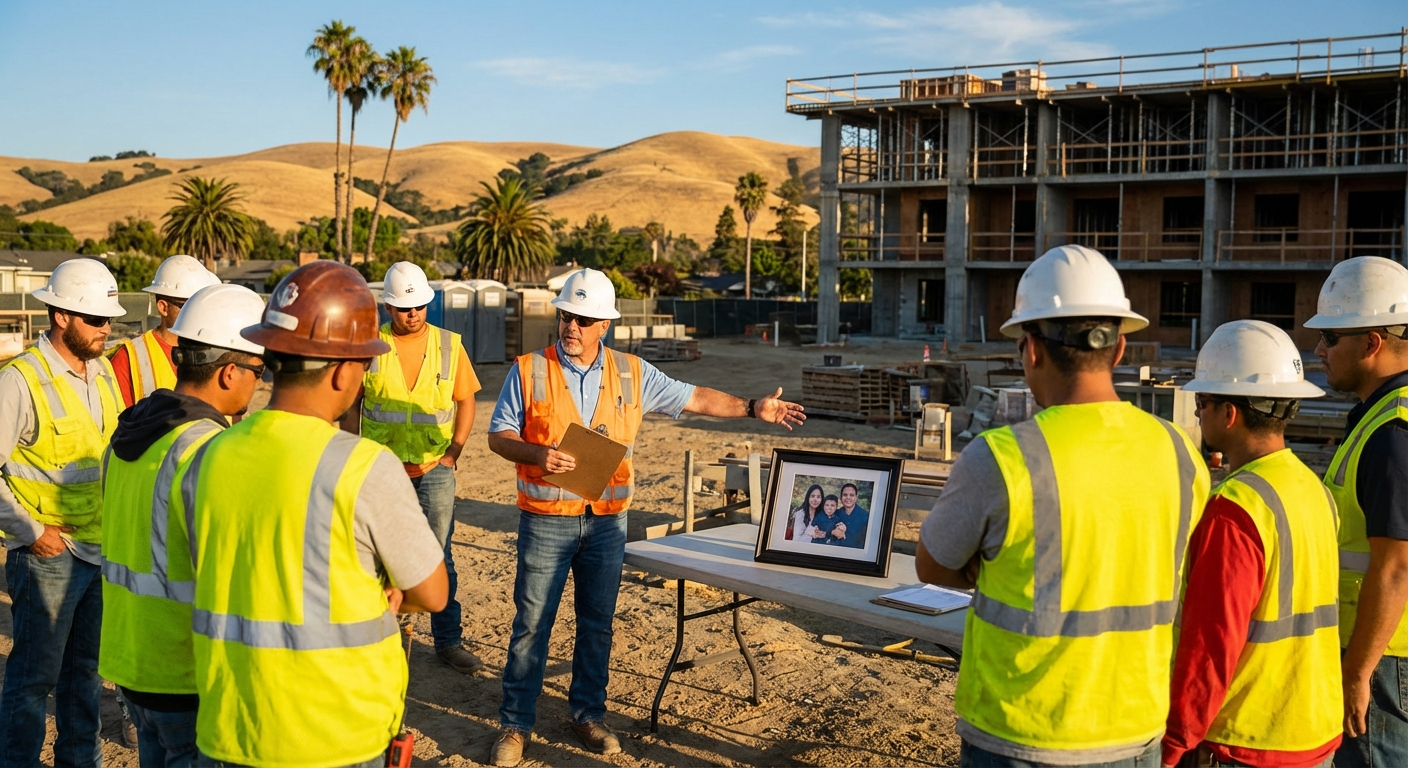
Marco runs Golden State Builders out of Stockton. It’s a busy outfit. One week, they’re framing a custom home in El Dorado Hills; the next, they’re laying foundations for a small commercial park near Modesto. He started the company with his uncle a decade ago, back when the housing market was just starting to hum again. Now, his uncle’s enjoying retirement in Palm Springs, and Marco’s at the helm. He’s got a crew of eight, a couple of heavy-duty trucks, and enough projects lined up to keep everyone busy through the next fire season.
He’s a good boss, pays his guys well, and always puts safety first. Hard hats, harnesses, daily briefings – they’re standard operating procedure. But sometimes, when he’s driving home to Lodi after a long day, the highway stretching out under a deep orange California sunset, a different kind of safety crosses his mind. Not a hard hat, but a safety net for his business, his family, and the people who depend on him. What if something happened to *him*?
It’s a thought that keeps many California construction owners up at night. You build something from the ground up, you pour your sweat and capital into it, and then you realize how much it all hinges on *you*. Your vision, your relationships, your ability to bid jobs and manage crews.
Why Life Insurance Isn’t Just for Your Family Anymore
Most people think of life insurance as something you get to protect your spouse and kids if you’re not around. And yes, it absolutely does that. Marco’s got a policy that would make sure his wife, Sofia, and their two young boys could stay in their home, keep up with school tuition, and just… live, without the crushing financial burden of losing their primary earner. That’s a huge piece of mind.
But for a construction company owner, the stakes are even higher. Your business isn’t just an asset; it’s a living, breathing entity with employees, clients, and debts. If Marco were suddenly out of the picture, Golden State Builders wouldn’t just pause. It could collapse. Projects would stall. Loans would come due. His crew, many of whom have worked for him for years, would be out of a job. That’s a heavy thought.
This is where business life insurance comes in. It’s not a luxury; it’s a foundational piece of any smart business plan, especially in a high-risk industry like construction. Think of it as another layer of concrete in your company’s foundation.
Protecting Your Business and Your Legacy
Let’s stick with Marco for a bit. He’s got a significant line of credit with a regional bank to cover payroll and materials for larger projects. He’s personally guaranteed some of those loans. If he passed away, that debt doesn’t just vanish. It could fall to Sofia, who knows nothing about running a construction company, or worse, force the business into liquidation to cover the creditors.
A well-structured life insurance policy can pay off those business debts. It can provide working capital to keep the company afloat during a transition period. Maybe Leo, his foreman, could step up and take over, but he’d need capital to do it. The insurance payout could make that possible. It’s about ensuring the company can weather the storm, rather than sinking immediately.
Here’s where it gets interesting. What if Marco had a business partner? Many construction firms are partnerships. Without a plan, the surviving partner might find themselves owning half a company with their deceased partner’s spouse – someone who has no interest in construction and just wants their share of the value. That’s a recipe for disaster.

Buy-Sell Agreements and Key Person Policies: More Than Just Buzzwords
These aren’t fancy terms just thrown around by insurance people. They’re real tools that protect real businesses.
Buy-Sell Agreements Funded by Life Insurance
Imagine Marco and Leo had formally partnered up a few years back. They signed a buy-sell agreement. This legal document outlines what happens to a partner’s share if they die, become disabled, or retire. Most importantly, it sets a fair price for that share.
Life insurance policies typically fund these agreements. Marco would own a policy on Leo, and Leo would own one on Marco. If Marco dies, the payout from Leo’s policy on Marco goes directly to Sofia (or Marco’s estate) in exchange for his ownership share. Leo then owns 100% of the company, and Sofia gets a fair, pre-agreed upon value for Marco’s stake, without having to negotiate or sue. Everyone wins. The business continues, and Marco’s family is compensated.
Key Person Insurance: Who’s Indispensable?
For Golden State Builders, Marco is clearly a key person. He brings in the business, manages the finances, and has all the client relationships. But maybe Leo, his foreman, is also a key person. Leo’s the one who knows how to run the tricky concrete pours, who can troubleshoot a plumbing nightmare on site, and who keeps the younger guys motivated. If Leo left or couldn’t work, Marco would be in a bind.
Key person insurance covers the financial loss a business would suffer if a critical employee—like Marco or Leo—died or became totally disabled. The company owns the policy, pays the premiums, and is the beneficiary. The payout could cover:
* Recruitment costs for a replacement.
* Loss of revenue while projects are delayed.
* Paying off debts that the key person personally guaranteed.
* Keeping the doors open while things stabilize.
It’s a way to ensure the business itself doesn’t take a fatal hit when a crucial cog in the machine stops turning.
Navigating the California Landscape for Construction Life Insurance
California is a unique place to do business. The sheer scale of development, from residential tracts in the Inland Empire to high-rises in San Francisco, means construction is always booming somewhere. But it’s also an expensive state, with high labor costs, strict regulations, and specific environmental considerations. All these factors influence how insurance companies look at your business.
Premiums for life insurance, especially for those in physically demanding or high-risk trades, can sometimes be higher than for, say, an accountant in Sacramento. Insurers consider your specific role. Are you mostly in the office, managing bids? Or are you on a scaffold in Ventura County, 30 feet up? Do you operate heavy machinery? Do you travel extensively for work, perhaps flying to remote job sites? These details matter.
Don’t assume your job automatically means unaffordable rates. That’s not always true. Many insurers have a good grasp of the construction industry and offer competitive options. But it does mean you need an agent who understands the nuances, someone who can speak the language of construction risk.
Which brings up something most people miss. Finding the right policy isn’t just about finding the cheapest premium. It’s about finding the *right* coverage from a financially sound company that understands your business and its specific risks. A local agent, like Karl Susman of California Business Life Insurance, CA License #OB75129, has experience helping California business owners in the trades find policies that fit their needs and budgets. He knows the local market, the big insurers, and the smaller specialty carriers.
Considering Employee Benefits: Attracting and Keeping Talent
It’s tough to find and keep good workers in California. The cost of living is high, and competition for skilled tradespeople is fierce. Offering group life insurance as part of your benefits package can be a real differentiator.
A basic group life policy is often very affordable for the employer and can provide a meaningful benefit for your employees and their families. It shows you care about their well-being, not just their output. For Marco, offering this might help him attract that experienced electrician he’s been trying to hire away from a bigger firm down in Orange County. It’s a small investment that can pay big dividends in employee loyalty and morale.
But here’s the thing. Group policies are usually bare-bones. They cover employees for a modest amount, maybe one or two times their salary. For you, the owner, or for key employees like Leo, that might not be enough. That’s why many business owners pair a basic group plan with individual key person or executive bonus policies for themselves and their essential team members. It’s a tiered approach to protection.
The Application Process: What to Expect
Applying for life insurance isn’t like buying a new truck. You can’t just walk in and drive away with it. There’s an application, medical questions, and sometimes a quick medical exam. For construction professionals, insurers will also want to know about your specific duties.
Don’t worry, it’s generally straightforward. You’ll fill out paperwork detailing your health history, your family’s health history, and your financial situation. The medical exam often involves a nurse coming to your home or office for blood pressure, height, weight, and blood/urine samples. It’s usually quick – maybe 30 minutes.
The process can take a few weeks, sometimes longer if there are complex medical records or financial considerations. That’s why it’s smart to start sooner rather than later. Don’t wait until you’re about to start that massive multi-year project to think about protecting your business.
Want to see how easy it can be to get started? You can begin the application process right now. Just click here: https://app.back9ins.com/apply/KarlSusman.
What if I Already Have Personal Life Insurance?
Many construction owners already have a personal life insurance policy. Good for them! That’s a solid start. But here’s the catch: that personal policy is designed to cover your family’s needs – mortgage, living expenses, college tuition. It usually isn’t enough to also cover business debts, fund a buy-sell agreement, or provide capital for a key employee transition.
Think of it like this: your personal policy is the roof over your family’s home. Your business life insurance policies are the strong foundation under your company’s building. They serve different, though equally important, purposes. You wouldn’t use roof shingles to shore up a foundation, would you?
So, while your existing policy is great for your personal situation, it’s worth reviewing your business needs separately. What would happen to Golden State Builders if Marco’s personal policy was the *only* thing in place? Likely, it wouldn’t be pretty. The family might get their payout, but the business would still be in jeopardy, potentially affecting the value of the inheritance.
A quick chat with a knowledgeable agent can help you figure out if you’re covered sufficiently on both fronts. Karl Susman has helped countless California business owners like Marco sort through these exact questions. He’s at California Business Life Insurance, CA License #OB75129, and you can reach his team at (877) 411-5200.
Making the Decision: It’s About More Than Money
Ultimately, the decision to get business life insurance isn’t just a financial one. It’s about responsibility. It’s about protecting the future you’re building, not just for yourself, but for your family, your employees, and the community you serve. Marco wants to build structures that last. He also wants to build a business that lasts, no matter what curveballs life might throw.
No one likes to think about their own mortality, especially when you’re busy building things. But taking the time to put these protections in place is one of the smartest business decisions you’ll ever make. It’s a testament to your foresight, your care for your people, and your commitment to your legacy.
If you’re ready to explore options for your construction company, don’t put it off. Start building your safety net today. You can get a personalized quote and begin the application process right now by clicking this link: https://app.back9ins.com/apply/KarlSusman.
—
Frequently Asked Questions
Is life insurance really necessary for a small construction business in California?
Honestly, yes. If your business relies heavily on you, a partner, or a few key individuals for its operations, client relationships, or financial stability, then life insurance is a critical safeguard. Without it, your company could face severe financial distress or even collapse if a key person passes away, leaving your family, employees, and creditors in a tough spot.
What’s the difference between key person insurance and a buy-sell agreement funded by life insurance?
Big difference. Key person insurance protects the *business* from the financial loss caused by the death of a critical employee. The company owns the policy and is the beneficiary, using the payout to cover operational expenses, recruit a replacement, or pay off debts. A buy-sell agreement funded by life insurance, however, protects *business partners* and their families. It ensures a smooth and fair transfer of ownership if one partner dies, guaranteeing the surviving partner full control of the business and providing the deceased partner’s family with a pre-agreed value for their share.
Will my specific construction job make my life insurance premiums sky-high in California?
Not necessarily “sky-high,” but your specific role and the risks associated with it certainly influence premiums. An office-based project manager will likely pay less than a roofer working at height or someone operating heavy excavation equipment. Insurers evaluate factors like your daily tasks, travel, and any specific hazardous activities. It’s why working with a specialist agent like Karl Susman is so important; they can help find carriers that understand construction risks and offer fair rates.
How long does it take to get a life insurance policy for my business?
The timeline can vary. For a straightforward application, it might take anywhere from 3 to 6 weeks. Factors that can influence this include the complexity of your medical history, the amount of coverage you’re seeking, and how quickly medical exams and paperwork are completed. It’s always best to start the process well before you anticipate needing the coverage.
—
This article is for informational purposes only and does not constitute financial advice.